
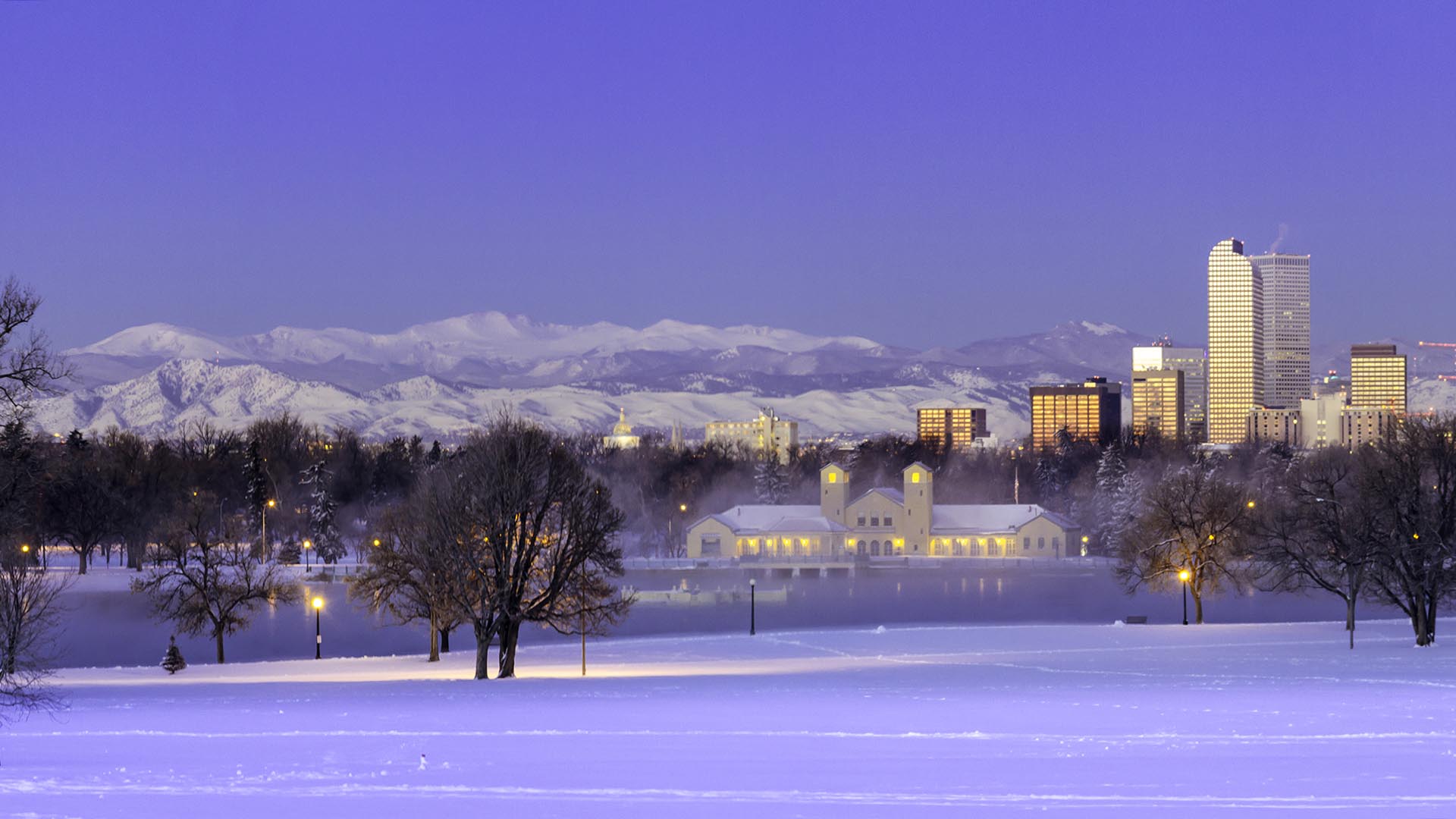
November on the Front Range is where a lot of schedules get honest. The leaves are down, the first real cold snap has come and gone, and every contractor with a slab, a footing, or an open trench is looking at the forecast and doing math. Some will push to spring. Plenty of others can’t, because the owner has a move-in date, the lender has a draw schedule, or the weather window you were counting on never showed up.
At Arvada Rent-Alls, we’ve been outfitting Denver metro crews through every kind of Colorado winter since 1963, and this time of year the questions at our counter shift. It stops being “what machine do I need to move this dirt” and becomes “can I still pour this week, and what do I need, so I don’t lose it overnight.” Here is how we see crews handling it.
The most expensive winter mistake we see has nothing to do with the mix. It is placing concrete on frozen subgrade. Frozen ground thaws unevenly, settles, and takes your slab with it. Before pouring anything, the subgrade needs to be thawed, compacted, and free of ice and snow. Frost depth in much of the metro area is commonly around 30 inches, and footings need to sit below it, so check your local building department’s requirements.
If the ground has already locked up, the fix is a combination of heat and time. A forced-air heater under an insulated enclosure can thaw the subgrade before the pour, and once it is soft, a compaction rental gets it back to the density the slab needs. Skipping the re-compaction step is how a cold-weather job turns into a callback in April.
Sometimes the job isn’t thawing; it’s getting through. Footings, utility tie-ins, and repairs don’t wait for spring, and frozen ground fights back harder than anything you dug in September. This is where breakers earn their keep. For small cuts and cleanup, a chipping hammer handles the detail work, a 60 lb electric breaker takes on frost and old slab, and for bigger cuts, the 140 excavator breaker does the heavy lifting. Our full hammers and breakers lineup covers everything in between. If you are not sure which class fits your job, our earlier guide to choosing the right breaker walks through it.
Concrete gives off its own heat as it cures, but in a Colorado November that heat disappears fast. Fresh concrete needs to be protected from freezing until it has built up enough strength to survive it, and the usual rule of thumb is to keep it above freezing for at least the first day or two, longer for structural work. The standard setup includes insulated blankets over the surface, an enclosure around the pour, and a heat source that keeps the air inside steady.
For enclosed pours, a 200,000 BTU heater or a 30,000 BTU forced-air heater covers a range of enclosure sizes, and the 170,000 BTU tent heater is built for larger covered spaces. For smaller spots, a simple electric heater does the job at a fraction of the cost. You can see everything we carry in our heat, ventilation, and dehumidifier category.
One thing worth knowing before you rent. Fuel-burning heaters that vent exhaust into the enclosure can leave carbon dioxide on the surface of fresh concrete, which can weaken the top layer and leave it dusty. They also put carbon monoxide in the space your crew is working in. Ask our counter team which heaters fit your setup, make sure the space is ventilated, and keep heaters clear of anything flammable.
If you are running electric heaters, blankets, or tools on a site with no permanent power, you need a generator sized to the load, and you need it to run reliably overnight. Our 25kw towable generator covers a typical cold-weather pour setup, and the 45kw towable generator handles bigger sites with heaters, lighting, and tools all running at once. By the time the crew is finishing, the sun is already gone, so a light tower is almost part of the equation. We covered how to size all of this in our earlier post on what contractors need on the jobsite as daylight runs short.
Cold-weather concrete sets differently, and finishing windows can shift in ways that surprise crews used to summer pours. Having your concrete and brick equipment lined up and on site before the truck arrives matters more in November than any other month, because there is less margin for waiting around while a pour sets in the cold.
Colorado winter work rewards crews who plan the week ahead and make one call, not those making six calls at 6 a.m. If you are staring down a cold-weather pour, a stubborn stretch of frozen ground, or a heater and generator setup you are not sure how to size, stop by our Arvada or Littleton counter, and we will walk through it with you. Our team has been keeping Front Range jobs moving through the cold for over sixty years.
Whether you are a contractor running a crew or a homeowner tackling your own place, Arvada Rent-Alls has the professional-grade gear and the counter team to back you up. Homeowner? Read our guide to power, warmth, and hosting before the first freeze.
Monday through Saturday
7 AM to 5 PM
(Closed Sundays throughout the year)
Built by Twelve Legs Marketing © 2026 | Privacy Policy